Article Overview
The Energy Internet leverages digital networks, AI, and data-driven control to optimize energy use, while traditional machinery relies on fixed, mechanical processes with limited efficiency and adaptability.
Energy Internet Overview
The Energy Internet integrates digital technologies, data centers, and networked systems to manage energy flows intelligently. It relies on data transmission networks, cloud computing, AI, and IoT devices to monitor, predict, and optimize energy consumption in real time. For example, data centers supporting AI and machine learning are increasingly energy-intensive, with AI queries consuming up to ten times more electricity than traditional internet searches, and U.S. data center electricity demand projected to reach 35 GW by 2030 due to AI growth (EPRI) . Despite efficiency improvements, the rapid adoption of AI and edge computing is driving a net increase in energy use (IEA) . Key features of the Energy Internet include:
- Dynamic energy management: Real-time monitoring and predictive control reduce waste and improve efficiency.
- Integration with renewable energy: Digital systems can balance intermittent renewable sources with demand.
- Decentralization: Edge computing and IoT devices allow localized energy optimization.
- Waste heat utilization: Data centers increasingly supply heat to nearby buildings, reducing overall energy demand (IEA) .
Traditional Machinery Overview
Traditional machinery refers to conventional industrial or mechanical systems that operate with fixed energy inputs and limited digital control. Characteristics include:
- Static energy consumption: Machines consume energy at a constant rate regardless of demand fluctuations.
- Limited adaptability: Adjustments require manual intervention or mechanical modifications.
- Lower efficiency: Energy losses are higher due to lack of predictive control and optimization.
- Minimal integration with digital networks: Traditional systems rarely leverage AI or IoT for energy management.
Comparison
| Feature | Energy Internet | Traditional Machinery |
|---|---|---|
| Energy efficiency | High, optimized via AI and real-time data | Moderate, fixed consumption patterns |
| Flexibility | Adaptive to demand and supply changes | Limited, manual adjustments needed |
| Environmental impact | Can reduce emissions through smart grid integration and renewable use | Higher emissions if powered by fossil fuels |
| Operational control | Remote, predictive, and automated | Local, reactive, and manual |
| Scalability | Easily scaled with cloud and networked systems | Physical expansion required for capacity increase |
Implications
The Energy Internet represents a shift from static, energy-intensive operations to intelligent, networked energy management, enabling:
- Reduced energy waste and emissions.
- Enhanced integration of renewable energy sources.
- Support for emerging technologies like AI, IoT, and edge computing.
- Greater operational flexibility and predictive maintenance. In contrast, traditional machinery remains less efficient and less adaptable, relying on mechanical processes without the benefits of digital optimization. As AI and digital infrastructure expand, the Energy Internet will increasingly dominate energy-intensive sectors, while traditional machinery may require retrofitting or hybrid integration to remain competitive.
Internet of Things and machine learning for energy saving in advanced
Optimizing energy utilization in industrial processes has become critically important due to growing concerns regarding

Internet of Energy: Opportunities, applications, architectures and
The term IoE is emerged from the Internet of Things (IoT) to target industrial applications involved in ubiquitous
(PDF) Smart Grid to Energy Internet: A Systematic Review of
Energy Internet represents a radical transformation of traditional electricity system by orchestrating real-time
Energy Internet: Redefinition and categories
Energy Internet (EI) is an energy ecosystem, with physical layer, information layer and value layer combining energy
Key Technologies for the Energy Internet | Springer Nature Link
In this chapter, we will discuss an overview of the Energy Internet and its major characteristics, the key technologies,
Research on the generation mechanism and characteristics of an
It is urgent to study the evolution mechanism and network characteristics of the Energy Internet based on the current

Energy Internet, the Future Electricity System: Overview, Concept
Energy Internet, a futuristic evolution of electricity system, is conceptualized as an energy sharing network. Its features, such as plug
From traditional to digital: The paradigm shift in the energy sector
From Traditional to Smart: Digital Technologies and Green Innovation in Energy Management The energy sector has

Digital Transformation and AI in Energy Systems:
The integration of digital technologies like Machine Learning (ML), Artificial Intelligence (AI),

Implications of the ''energy transition'' for the machinery
End-market customer concerns about the environment and sustainability—fueled by
The energy ecosystem should move to make the ''energy internet'' a
Global trends make it clear that the Next Big Thing isn''t any single thing at all. Instead, the future is about open

Explained: Generative AI''s environmental impact
MIT News explores the environmental and sustainability implications of generative AI technologies and applications.
Digitalization and Energy – Analysis
Digitalisation and Energy - Analysis and key findings. A report by the International Energy Agency.

Renewable Energy
In this interactive chart, we see the share of primary energy consumption that came from renewable technologies – the combination

Towards an Internet of Energy for smart and distributed generation
The future of energy essentially requires novel thinking and new systems to transform energy generation, distribution,
Key technologies and applications of agricultural energy Internet for
Key technologies of Agricultural Energy Internet are vital factors supporting its development. This article systematically
A comprehensive review of Energy Internet: basic concept
With the intensifying energy crisis and environmental pollution, the Energy Internet and corresponding patterns of

Smart Grid to Energy Internet: A Systematic Review of Transitioning
The concept of Energy Internet has emerged from the limitless possibilities of energy sharing networks formed by

Review of distributed control and optimization in energy internet: From
In the research of EI control systems, the access of distributed energy causes the power system to exhibit complex
Innovations in thermal energy systems, bridging traditional and
Thermal energy systems (TES) have been foundational to global industrialization and power generation, with fossil
Energy Internet, the Future Electricity System:
Energy Internet, a futuristic evolution of electricity system, is conceptualized as an energy

IoT in energy: a comprehensive review of technologies, applications
The integration of IoT (Internet of Things) in the energy sector has the potential to transform the way it generates,
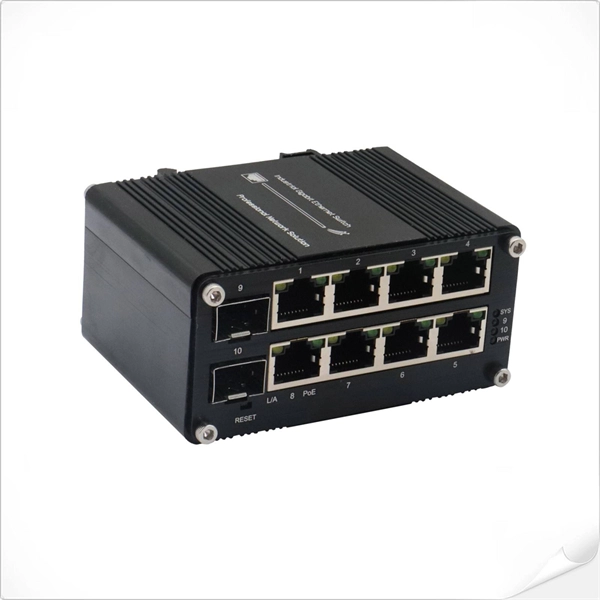
The Internet of Energy (IoE): A Guide to Efficiency and Automation
The Internet of Energy (IoE) is the upgrade and automation of electricity infrastructures, allowing energy producers to
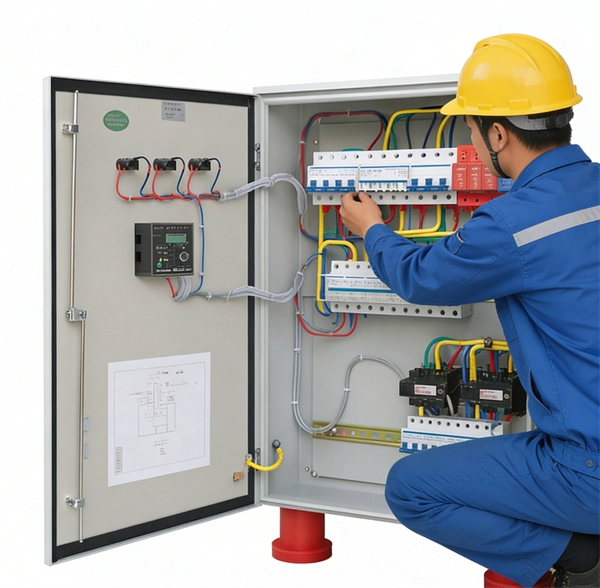
What Is Energy Internet? Concepts, Technologies, and Future Directions
To realize renewable-energy-based electri cation goals, a new concept the Energy Internet (EI) has been proposed, inspired by the
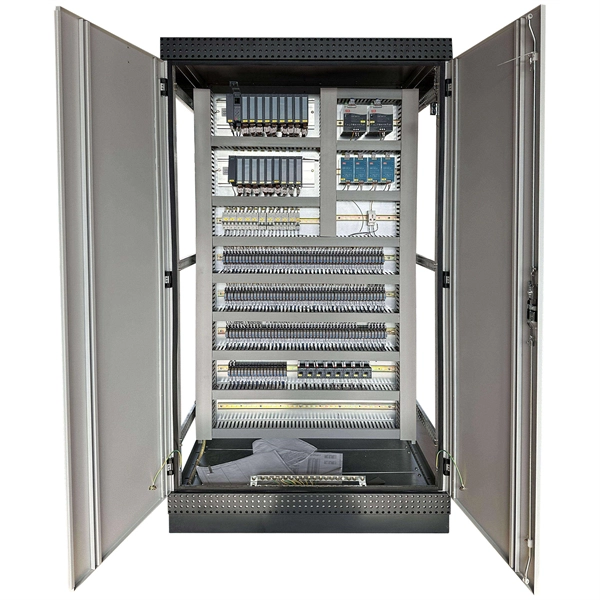
Overview of the Conversion of Traditional Power Grid to Internet Energy
To do this, a brief overview was made of the traditional electricity supply system, as well as promising renewable
The Emerging Energy Internet: Architecture, Benefits, Challenges, and
The benefits of the energy Internet, along with the challenges of its implementation on a large-scale distributed
Impacts of digitalization on smart grids, renewable energy, and
Abstract Decarbonization, decentralization, and digitalization are essential for advanced energy systems (AES), which
Advancing the Energy Internet: Innovations and Solutions for a
The Energy Internet represents a transformative paradigm integrating advanced power systems, distributed

Recent advancement of energy internet for emerging energy
Moreover, the study analyzes the impact of the energy internet on the conventional power grid and provides a global
Development and Prospect of Key Technologies of Energy Internet
Firstly, the essential concept and main features of the energy Internet are expounded. Secondly, according to the

Integrating energy into industrial machinery: challenges, case studies
Discover how to integrate renewable energy into industrial machinery and processes: cases, challenges and benefits.

Artificial Intelligence''s Energy Paradox: Balancing Challenges and
Executive summary Artificial intelligence presents energy opportunities and challenges – strategic mitigation can help to maximize

Related Resources
- Papua New Guinea-Bissau High-Quality Mesh Cable Tray Manufacturer
- Compatible QSFP Active Optical Equipment Syrian Supplier
- Turkmenistan Fiberglass Cable Trays
- Core Switch of Digital Monitoring System
- Huijue Switch Optical Module Test
- Distribution box wire baffle
- Does the terminal box have a 24-core cable
- Malaysia Fire Cable Tray Wholesale
- 200-meter-long butterfly-shaped optical cable
- Kuwait cable tray vertical bend supply
- Fiberglass Hollow Tail
- Requirements for complete installation racks for distribution boxes
- Does buying a network server rack include a power supply How much does it cost
- Multimode fiber test band
- What does 1000m represent for a fiber optic switch in a multi-purpose building
- Huijue Optical Cable Head Manufacturer Direct Sales Point
- VGA to Optical Module
- Dual-core Andorra price
- Tekes Photovoltaic Cable Tray Factory
- Wholesale Price of Sudanese Optical Cable Communication Pipes
- Hard disable optical module