Article Overview
Jumper wires and pigtails must be sized and installed according to NEC guidelines, with jumper length and gauge selected to ensure safety, continuity, and proper circuit function.
Jumper Wire Calculation
Jumper wires are used to connect conductors or equipment terminals, often carrying fault current in bonding applications. The size of a supply-side bonding jumper is determined by the largest ungrounded service conductor it connects, following NEC 250.102(C) rules. For example, if the total circular-mil area of the largest ungrounded conductor is ≤ 66,360 kcmil, the minimum copper bonding jumper is 8 AWG; for areas > 350,000 kcmil, a 1/0 AWG copper jumper is required . For parallel conductors, the equivalent area is calculated by multiplying the area of one conductor by the number of parallel conductors per phase . Aluminum jumpers can also be used, but their size must be adjusted to match the copper equivalent . Jumper wire length must account for installation geometry, sag, and connection points. Systems for calculating jumper length consider the coordinates of endpoints, sag compensation, and access points to ensure proper fit and safe installation, especially in high-voltage or elevated applications . This ensures the jumper maintains adequate clearance and mechanical integrity.
Pigtail Calculation
A pigtail is a short wire connecting a device (like a switch or receptacle) to the main circuit conductors. The length should be sufficient for manipulation, typically at least six inches, and the gauge must match the circuit wire (commonly 14 AWG or 12 AWG for residential circuits) . One end is attached to the device terminal using a clockwise loop, and the other end is spliced to the main circuit wires with a wire nut. Proper stripping (about three-quarters of an inch) and secure connections are essential to maintain low-resistance continuity and prevent overloading the device terminal .
Practical Considerations
- Always verify jumper and pigtail sizing against the latest NEC edition and local codes .
- For bonding jumpers, ensure the conductor can safely carry fault current and maintain continuity between metallic parts .
- For pigtails, ensure the wire gauge and insulation match the circuit to prevent overheating and maintain mechanical reliability .
- When working at height or with long jumpers, consider sag, tension, and secure attachment points to reduce safety risks . By following these guidelines, jumper wires and pigtails can be calculated and installed safely, ensuring both electrical code compliance and reliable circuit operation.
Box Fill & Sizing Guide | NEC 314.16 Questions
Learn box fill and sizing for NEC electrical exams, including Article 314.16, conductor volume allowances, device and
How to Wire Daisy-Chained Receptacles | Pigtail vs Plug Terminals
Learn the two most common methods for wiring daisy-chained electrical outlets
Should you pigtail your electrical outlets? The answer might surprise
In this video we''ll discuss when and why you should you pigtail your electrical outlets
Box Fill Calculation Revised. Volume Allowance for EGCs and
When preforming a box fill calculation, the volume allowance for each conductor, clamp, support fitting, device, and equipment
Box-Fill Calculations Part IV: Conductor Fill (NEC 314.16
NEC box-fill calculation rules for conductor fill under 314.16 (B) (1). Covers spliced vs. pass-through conductors, pigtails, bonding
Electrical Calculation Methods and Examples
The line current is calculated based on the expected real power requirement and phase angle. The following equations show the
A Guide to Jumper Wires in PCB Design
This guide covers PCB jumper wire definitions, types, ten design rules, manufacturing methods, trace comparisons,
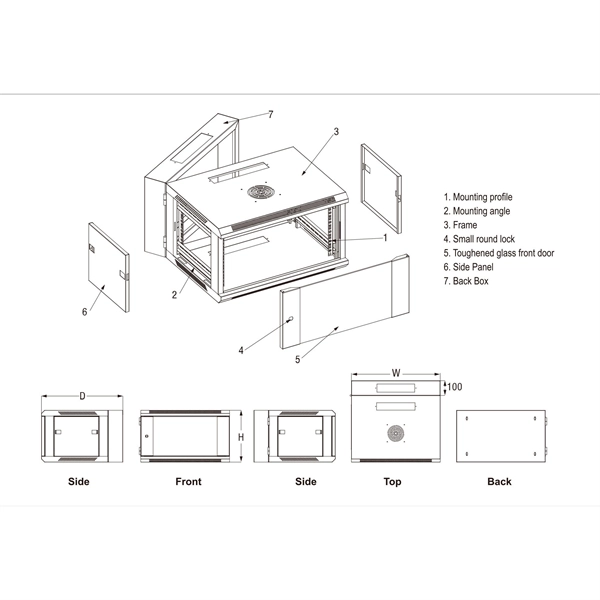
Box Fill Calculator | Calculator.now
Calculate electrical box fill capacity quickly and accurately with this NEC-compliant tool. Ensure safe wiring and code
How to Make Pigtail Electrical Wire Connections
Pigtail wiring is crucial for safely connecting multiple circuit wires to
How to Pigtail an Outlet for a Safer Connection
This method involves connecting the circuit''s main wires to a short jumper wire, or pigtail, which then connects to the
How to Make Electrical Pigtails : 7 Steps (with Pictures
How to Make Electrical Pigtails: This is a basic tutorial on what electrical pigtails are and how to make them. Disclaimer: Always use
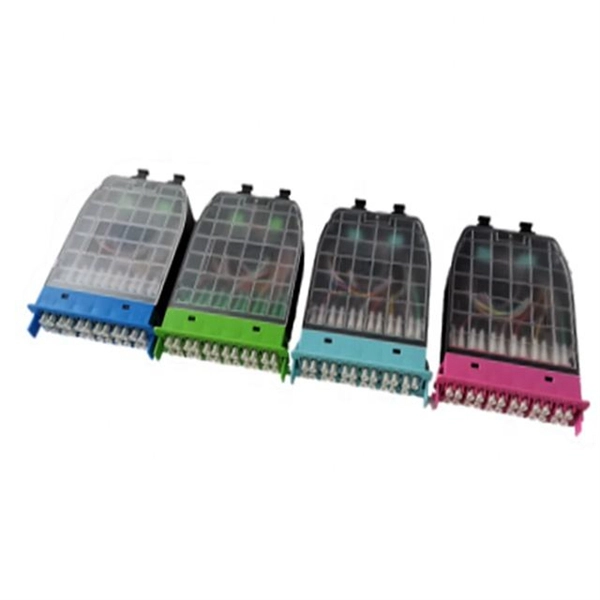
electrical
This is a remodel so the wire itself is already in place. The box will have two 12/2 romex, one line, one load, plus 3
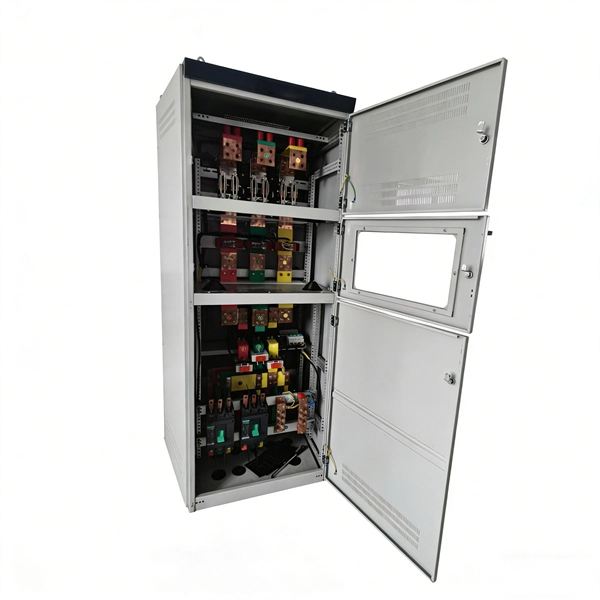
314.16 Number of Conductors in Outlet, Device, and Junction Boxes,
NEC Table 314.16 (B) provides volume allowances to be used when calculating the number of 18 AWG through 6 AWG conductors
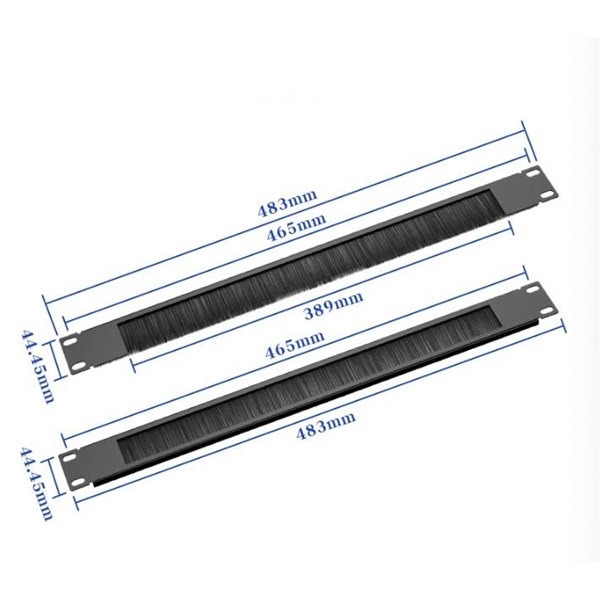
pigtails electrical connection
Follow these professional methods to achieve durable wire joints. Proper technique prevents loose contacts and ensures compliance
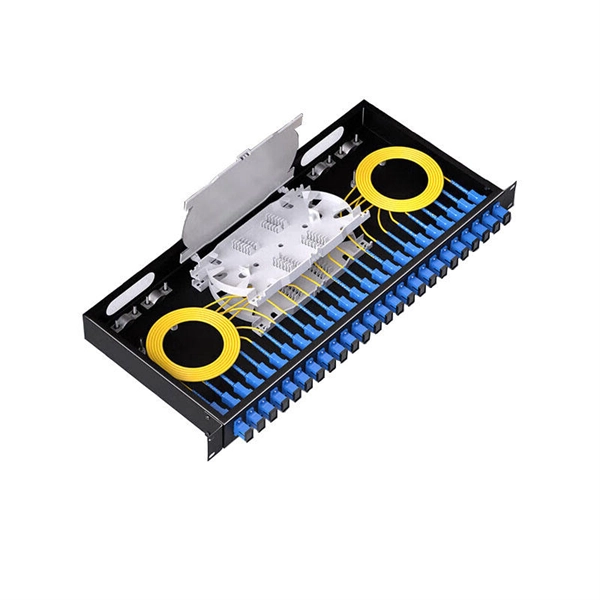
Research on Calculation Method of Jumper Conductor in Overhead
Research on Calculation Method of Jumper Conductor in Overhead Power Transmission Line Abstract:
How To Make Electrical Pigtail Wire Connections
What Is a Pigtail Wire? A pigtail wire is a short cable used to lengthen short wires. Also, it can join several wires to
NEC 250.148: Can I splice separate circuit grounding wires to a
In my reading of NEC 2020 250.148, I should be able to splice -- in my case with WAGO connectors -- each circuit''s
National Electrical Code 2023 Basics: Grounding and Bonding Part 4
National Electrical Code 2023 Basics: Grounding and Bonding Part 4 Learn how to make ground connections on the
Box Fill Calculations
In this process, you don''t need to count raceway and cable fittings (including locknuts and bushings), wire connectors, or cable
How to Connect the Power Cord of an Electric Range
Installing a power cord on an electric range is easy but requires the correct cord for your range and outlet, and it may
Two Wire Connection || an easy way to join two wires #
Two Wire Connection || an easy way to join two wires || Do you know the correct method
How to properly splice electrical wires.
How to properly splice electrical wires. #electrical #splicing #easyway #correctway
Q&A: To Pigtail or Not to Pigtail?
The pigtail method transfers the connection point from the receptacle to a wire nut. So instead of the feed-through
ThreaDoctor: Advanced Thread Calculator
Allowance, Minimum and Maximum allowed values as defined by the thread standard for the selected
Box-Fill Calculations: Understanding NEC Article 314, Part VIII
A bonding jumper will be installed between the green equipment-grounding conductors and the metal box. A pigtail will be installed
Supply-Side Bonding Jumper Size Calculator — NEC 250.102(C)
Instant accurate calculator methodology ensures code compliance, conductor selection, and fault current coordination verification
Shield Termination Methods | EMI Protection Guide
Shield Termination Methods You can terminate a shield in several ways, including using jumper wires,
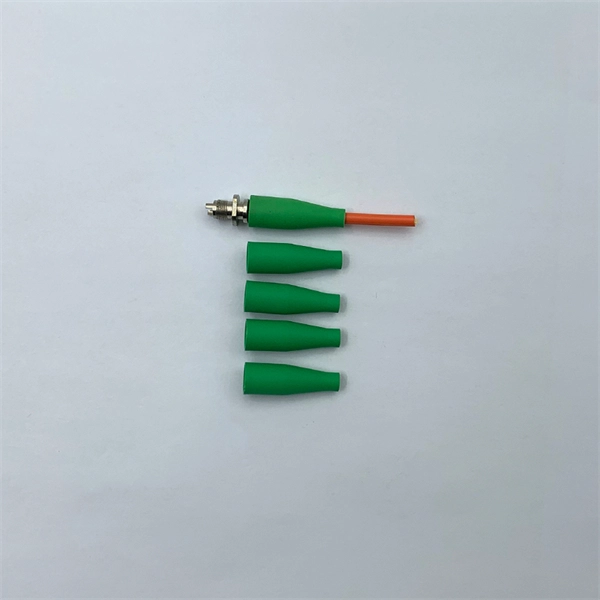
The difference between pigtails and patch cords
When it comes to fiber optic products, it''s essential to differentiate between patch cords and pigtails as they serve
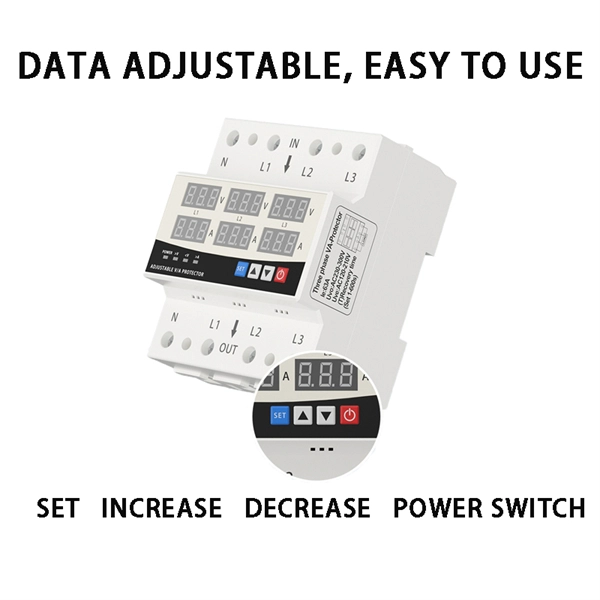
Cableizer
Cableizer is a web-based software for design of power cables and engineering of complete cable systems. It includes
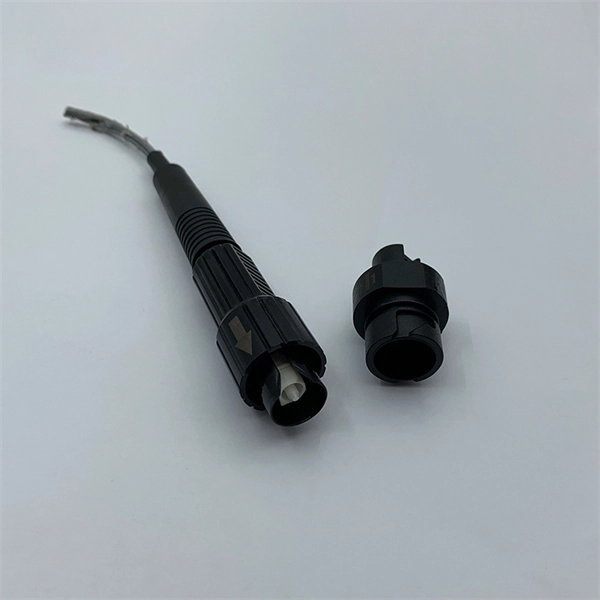
What Is a Pigtail in Electrical Wiring?
Learn what an electrical pigtail is and why this short jumper wire is essential for safe, code-compliant connections in

wiring pigtails
We provide a detailed guide on wiring pigtails, covering application, advantages, and installation tips. Enhance electronics
How to Make Pigtail Electrical Wire Connections
Pigtail wiring is crucial for safely connecting multiple circuit wires to a single device. Pigtails should be at least six
How to splice wires
Splicing wires using various tools and methods, discussing pros and cons. (how to solder:
How to Solder Wires Together: 14 Steps (with Pictures)
Soldering involves melting a low-temperature metal alloy over a joint or wire splice to